
How to Lose Belly Fat Fast at Home (2026 Science-Backed Guide That Actually Works)
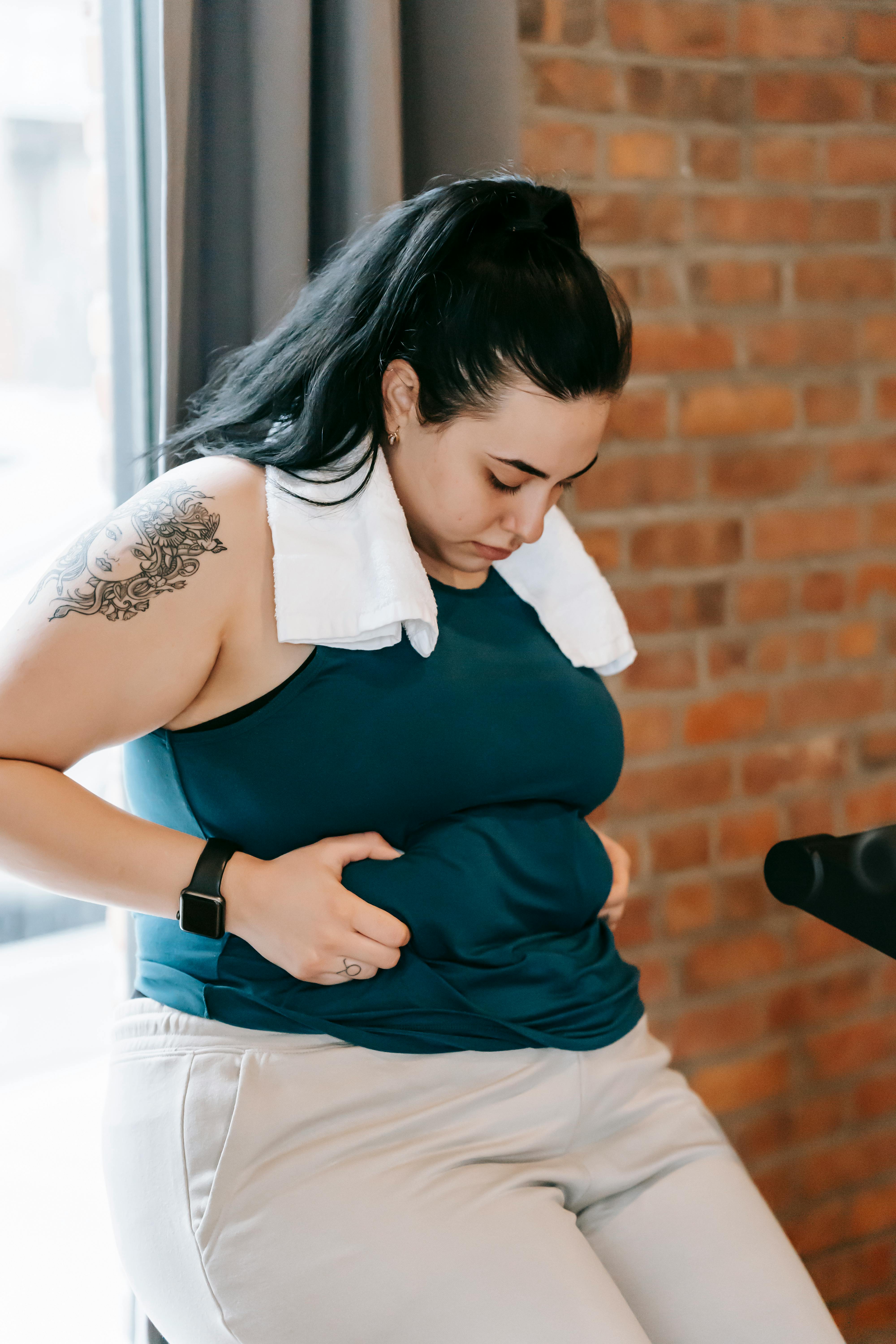
- Why Belly Fat is Hard to Lose
- 🔥 Why Belly Fat is Hard to Lose
- Why Belly Fat Feels Impossible to Lose
- The Only Rule That Controls Fat Loss
- Why Belly Fat Is Always the Last to Go
- Protein: The Hidden Fat Loss Accelerator
- Fiber: The Silent Fat Loss Support System
- 🚶➡️Movement Matters More Than You Think (NEAT)🚶
- What Is HIIT Workout and Why It Burns Belly Fat Faster
- Stress: The Hidden Belly Fat Trigger
- Sleep: The Most Ignored Fat Loss Tool
- Simple Daily Fat Loss System That Actually Works (Step-by-Step Plan)
- What to Expect (Real Timeline)
- Final Truth
- 💡 Quick Tips
- ❓ FAQs
- 🏁 Conclusion
Why Belly Fat is Hard to Lose
Losing belly fat is one of the most common fitness goals, but it can be challenging without the right strategy. The good news is—you don’t need a gym. With the right habits, you can lose belly fat at home effectively.
In this guide, you’ll learn simple and proven ways to lose belly fat fast at home in 2026.
🔥 Why Belly Fat is Hard to Lose
Belly fat is stubborn because it is linked to:
- Poor diet habits
- Lack of physical activity
- Stress and poor sleep
Why Belly Fat Feels Impossible to Lose
If you’ve ever tried to lose belly fat, you’ve probably felt like your body is working against you. You eat less, try random workouts, maybe even skip meals—and still, that stubborn belly fat doesn’t move.
This happens because most advice ignores how your body actually works.
Your body is not trying to “look fit.” It’s trying to survive efficiently. That means storing energy (fat), conserving calories, and adapting quickly to changes. Once you understand this, fat loss stops feeling random and starts becoming predictable.
The Only Rule That Controls Fat Loss
Every method that works—whether it’s keto, intermittent fasting, or home workouts—relies on one principle:
👉 You must burn more calories than you consume.
This is called a calorie deficit, and it is the foundation of fat loss.
Fat\ Loss \propto Calories\ Burned – Calories\ Consumed
But here’s where most people go wrong:
They either eat too little (which slows metabolism) or don’t realize how much they’re actually eating.
The goal is not starvation—it’s controlled, consistent deficit.
Why Belly Fat Is Always the Last to Go
Your body doesn’t lose fat evenly. Areas like the face or arms lose fat faster, while the belly holds onto it longer.
This is because belly fat is influenced by hormones like:
- Insulin (controls fat storage)
- Cortisol (stress-related fat gain)
When these hormones are not controlled, your body prefers to store fat in the abdominal region.
This is why doing endless crunches doesn’t work—fat loss is systemic, not local.
Protein: The Hidden Fat Loss Accelerator
Most people think protein is only important for gym-goers, but in reality, it is one of the most powerful tools for losing belly fat fast at home.
When you eat food, your body doesn’t just “store” it—it has to process it. This process is called the thermic effect of food, and it varies depending on what you eat.
Protein is the most demanding nutrient for your body to process. Around 20–30% of its calories are burned during digestion itself. Carbohydrates require about 5–10%, while fats require almost no effort, at just 0–3%.
What this means in real life is simple but powerful. If two people eat the same number of calories, but one consumes more protein, that person will naturally burn more calories without doing anything extra.
Imagine this scenario:
Rahul and Aman both eat 2,000 calories per day.
Rahul’s diet is high in refined carbs and fats.
Aman’s diet includes a higher amount of protein—eggs, dal, paneer, and chicken.
Even though both are eating the same calories, Aman’s body is burning more energy just to process his food. Over time, this small difference creates a noticeable gap in fat loss, especially around the belly.
Protein also reduces hunger by affecting hormones like ghrelin, which controls appetite. This means you feel full longer, snack less, and naturally maintain a calorie deficit without forcing it.
How to Apply This Practically
Instead of thinking in complicated diet plans, use a simple rule:
👉 Include a protein source in every meal.
For example:
- Breakfast: Eggs or paneer with roti
- Lunch: Dal + vegetables + some protein
- Dinner: Light meal with protein (chicken, tofu, or lentils)
This approach keeps your metabolism active and hunger under control throughout the day.
Fiber: The Silent Fat Loss Support System
Fiber doesn’t burn fat directly, but it makes fat loss easier and more sustainable. When you eat fiber-rich foods, digestion slows down, and you stay full for longer periods. This reduces unnecessary snacking and stabilizes blood sugar levels.
Over time, this leads to better control over calorie intake without feeling restricted. Foods like oats, vegetables, and fruits naturally help your body regulate hunger and improve digestion, which indirectly supports belly fat reduction.
🚶➡️Movement Matters More Than You Think (NEAT)🚶
One of the most underrated fat loss factors is something called NEAT (Non-Exercise Activity Thermogenesis).
This includes everything you do outside workouts:
- Walking
- Standing
- Moving around
Many people focus only on 30 minutes of exercise but remain inactive for the rest of the day. This limits fat loss.
In reality, daily movement can burn more calories than a workout session.
A simple target like 8,000–10,000 steps per day can significantly speed up belly fat loss without feeling like “exercise.”
What Is HIIT Workout and Why It Burns Belly Fat Faster
HIIT stands for High-Intensity Interval Training, and it is one of the most effective ways to burn fat in a short amount of time—especially when you’re trying to lose belly fat fast at home.
Instead of exercising at a steady pace, HIIT works by alternating between short bursts of intense activity and brief recovery periods. For example, you might do 30 seconds of fast jumping jacks followed by 30 seconds of rest, and repeat this cycle multiple times.
What makes HIIT powerful is how your body responds to it. During high-intensity intervals, your body requires a large amount of energy very quickly. This forces it to use stored energy, including fat, to keep up with the demand. But the real benefit comes after the workout is finished.
Your body enters a state called afterburn effect, where it continues to burn calories even after you stop exercising. This happens because your body is working to recover, restore oxygen levels, and repair muscles. Scientifically, this is known as Excess Post-Exercise Oxygen Consumption (EPOC).
Compared to regular steady cardio, HIIT can burn more calories in less time and is especially effective for people who want quick and visible fat loss results at home.
Simple HIIT Example You Can Do at Home
You don’t need any equipment to start. A basic routine can look like this:
- 30 seconds jumping jacks
- 30 seconds mountain climbers
- 30 seconds high knees
- 30 seconds rest
Repeat this cycle for 15–20 minutes.
Why HIIT Works Best With Diet
While HIIT is powerful, it works best when combined with a proper diet. If your calorie intake is too high, the calories burned during HIIT can easily be replaced. But when you combine HIIT with a calorie deficit and enough protein intake, it becomes one of the fastest ways to reduce overall body fat, including stubborn belly fat.
In simple terms, HIIT speeds up the process—but your diet determines the results.
HIIT workouts are popular because they burn a lot of calories in a short time and increase metabolism even after the workout ends.
However, HIIT alone is not magic.
If your diet is not controlled, the calories burned during HIIT can easily be undone by one high-calorie meal. But when combined with proper nutrition, HIIT becomes a powerful tool.
Stress: The Hidden Belly Fat Trigger
Stress is not just mental—it directly affects your body.
When you’re stressed, your body releases cortisol, which increases fat storage around the belly and triggers cravings for sugary foods.
This is why even people who eat “normally” sometimes struggle with belly fat.
Simple habits like deep breathing, short breaks, or even quiet time can help regulate this response.
Sleep: The Most Ignored Fat Loss Tool
Sleep affects fat loss more than most people realize.
When you don’t get enough sleep:
- Hunger hormones increase
- Cravings go up
- Energy levels drop
This leads to overeating and reduced activity without you even noticing.
Getting 7–8 hours of sleep is not optional—it’s a requirement for consistent fat loss.
Simple Daily Fat Loss System That Actually Works (Step-by-Step Plan)
Most people fail to lose belly fat not because they lack effort, but because they follow inconsistent or overly complicated routines. The key is not perfection—it’s building a daily system that naturally creates a calorie deficit, controls hunger, and keeps your metabolism active throughout the day.
Here’s a simple, science-backed structure you can follow at home without confusion.
Morning (Kickstart Fat Burning + Control Hunger)
Your morning sets the tone for your metabolism and energy levels.
Start your day with a glass of warm water to rehydrate your body after sleep. This helps digestion and reduces unnecessary hunger signals that are often mistaken for cravings.
Within 30–60 minutes, do some light movement. This could be a short walk, stretching, or a quick HIIT session. Exercising in the morning increases alertness and helps your body use stored energy more efficiently.
For breakfast, focus on protein. A protein-rich meal reduces hunger hormones and keeps you full for longer.
Example:
- 2–3 eggs with roti
- Paneer or tofu with vegetables
- Oats with nuts and seeds
This combination helps you avoid mid-morning snacking and keeps calorie intake under control.
Midday (Maintain Energy + Avoid Overeating)
This is where most people unknowingly overeat or choose the wrong foods.
Instead of skipping meals or eating heavy junk food, aim for a balanced lunch that includes protein, fiber, and moderate carbohydrates. This stabilizes blood sugar levels and prevents energy crashes.
Example:
- Dal + vegetables + roti or rice
- Chicken or paneer with salad
After eating, avoid sitting continuously for long periods. Even a short 5–10 minute walk can improve digestion and increase daily calorie burn.
Your goal during the day is simple: stay active. Small movements like walking, standing, or doing household work contribute significantly to fat loss over time.
Evening (Control Cravings + Stay Active)
Evenings are when most people struggle with cravings, especially for sugary or fried foods.
Instead of giving in to random snacking, choose something light but satisfying. Fruits, nuts, or a protein-based snack can help control hunger without adding excess calories.
If possible, include a second round of light activity. This doesn’t have to be intense—just staying active helps maintain your daily calorie burn.
Night (Optimize Fat Loss + Recovery)
Dinner should be light and easy to digest. Heavy meals late at night slow down digestion and increase fat storage, especially around the belly.
Example:
- Soup with vegetables
- Light roti with sabzi
- Grilled paneer or chicken
After dinner, take a short walk for 10–15 minutes. This improves digestion and helps regulate blood sugar levels.
Try to finish your last meal at least 2–3 hours before sleep. This allows your body to process food properly and supports better fat metabolism overnight.
The Real Secret: Consistency Over Perfection
This system works because it aligns with how your body naturally regulates energy, hunger, and metabolism.
- Morning → activates metabolism
- Day → stabilizes energy and prevents overeating
- Evening → controls cravings
- Night → supports recovery and fat loss
You don’t need extreme diets or long workouts. If you follow this structure consistently, your body will gradually start reducing fat, including stubborn belly fat.
Fat loss is not about doing everything perfectly—it’s about doing the right things repeatedly.
What to Expect (Real Timeline)
- Week 1: Reduced bloating
- Week 2–4: Initial fat loss
- Week 6–12: Visible belly fat reduction
Fat loss is slow—but predictable if done correctly.
Final Truth
There is no shortcut to losing belly fat fast at home—but there is a clear path.
If you:
- Maintain a calorie deficit
- Eat more protein
- Stay active daily
- Sleep well and manage stress
You will lose belly fat.
Not instantly—but consistently.
And that’s what actually works.
💡 Quick Tips
- Avoid late-night eating
- Walk daily
- Reduce sugar intake
❓ FAQs
Can I lose belly fat at home?
Yes, with proper diet and workouts, it is absolutely possible.
How long does it take?
You may start seeing results in 3–4 weeks with consistency.
🏁 Conclusion
If you’ve been trying to lose belly fat and nothing seems to work, the problem is not your effort—it’s the approach. Most people focus on quick fixes, random workouts, or extreme diets, but real fat loss doesn’t work that way.
Your body follows clear biological rules. When you understand how calorie balance, protein intake, daily movement, and lifestyle habits interact, fat loss becomes predictable instead of frustrating. There is no single trick that melts belly fat overnight, but there is a system that works when applied consistently.
The key is to stop chasing shortcuts and start following a structured routine. Small changes like improving your diet quality, increasing protein intake, staying active throughout the day, and maintaining a proper sleep schedule can create powerful results over time.
Belly fat is often the most stubborn, but it is not permanent. When you apply the right principles consistently, your body will respond. Progress may feel slow at first, but it builds steadily—and that’s what makes it sustainable.
Focus on consistency, not perfection. Once you align your habits with how your body actually works, losing belly fat at home becomes not just possible, but inevitable.